Scaling Digital Solutions With Consistent, Repeatable Results
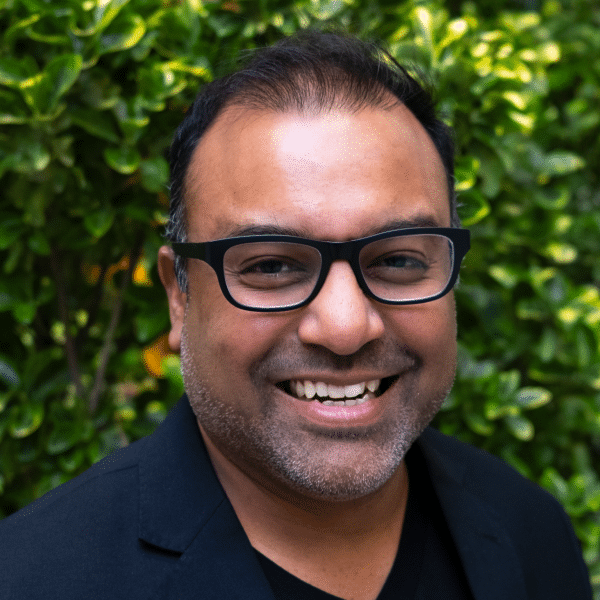
Kenneth Phua
Global Digital Business Transformation & Growth Leader

“An MVP should not be an excuse for an incomplete product.”
Kenneth Phua
In this episode of Leader Generation, Tessa Burg talks with digital transformation leader Kenneth Phua to explore what separates successful pilots from initiatives that never move beyond the testing phase.
Drawing on his experience leading digital strategy and transformation programs for global brands, Kenneth shares the common mistakes organizations make when measuring pilot success, why repeatability matters more than one-time wins and how businesses can build the capabilities needed to scale digital and AI initiatives across teams, markets and functions.
“If you can’t scale in a repeatable fashion, then you can’t scale.”
The conversation also explores the role of leadership in successful transformation. Kenneth explains why empathy, curiosity, trust and a willingness to challenge assumptions are essential for leaders navigating rapid technological change.
Highlights:
- Common reasons marketing pilots fail to scale
- Measuring the right success metrics
- Avoiding incomplete MVPs
- Balancing speed, scope and business outcomes
- Using manual processes to validate concepts
- Creating repeatable frameworks for scale
- Replicating success across markets and teams
- Building organizational capabilities for adoption
- Maintaining strategic intent during rollout
- Change management and user adoption
- Leadership qualities that support transformation
- The impact of AI on digital development and scaling
Watch the Live Recording
[00:00:00] Tessa Burg: Hello, and welcome to another episode of Leader Generation, brought to you by Mod Op. I’m your host, Tessa Burg. Today, I am joined by Kenneth Phua.
[00:00:08] Tessa Burg: He is a global digital business transformation and growth leader, and we are so excited to have him on the show today as we explore how to scale digital consistently. We hear all the time people struggling with pilots, getting repeatable results from where they want to be from where they are today.
[00:00:27] Tessa Burg: Very excited to have you, Kenneth. Thank you so much for joining us.
[00:00:31] Kenneth Phua: Hi, Tessa. Happy to be here. I’m so excited to be here. Really looking forward to engaging you guys on the topics, you know, just to share, what I know.
[00:00:42] Tessa Burg: Yeah, that’s perfect. I mean, your experience speaks for itself.
[00:00:46] Tessa Burg: Over 10 years at Coca-Cola, you’ve had time at startups. Let’s start by, tell us a little bit about yourself and your career journey.
[00:00:55] Kenneth Phua: Um, yeah, I mean, I’ve… I like to see myself as a bit of a, um, enabler, right? If you speak to anybody in digital, I think the biggest mistake that they would make is to say that they are not an enabler, right? Um, if you think about digital, one of the big things that digital does is to solve business issues, right? And I would say for the past 15 odd years, whether it was in the agency, whether it was at Coke, my big job was always to solve problems, right?
[00:01:29] Kenneth Phua: My, and my last… And, you know, just coming out of, um, my last role, um, where I was leading strategy, uh, um, digital strategy for Globe, I think, you know, being able to solve problems with digital is, you know, by far one of the most interesting things that, you know, a person can do. So, right, that’s, I would say, that pretty much sums it up, right?
[00:01:52] Kenneth Phua: Like, uh, I am the problem solver, right, for businesses using digital.
[00:01:59] Tessa Burg: And I think that’s a really important seat that sometimes does get overvalued. When you are very good at execution and building, it’s a hard lesson that the building part is actually the easiest part. And right now we’re hearing a lot from clients that, “Hey, we gathered all the challenges, we did all these stakeholder conversations, we found a big problem to solve.
[00:02:24] Tessa Burg: We did a pilot and it failed.” So let’s start there. What are some of those pitfalls or the silent killer of momentum, and why aren’t we seeing more people be able to go from pilots to scale inside enterprise?
[00:02:40] Kenneth Phua: I think that’s a super interesting question, right? When you think about pilots. I don’t think it’s the results themselves, right, that are limiting the growth or are limiting momentum for, for turning a pilot into a full-blown project.
[00:02:53] Kenneth Phua: But I think usually there are three big things that, you know, prevents pilots from really scaling, right? If you kinda think about it. One, I would say- a lot of times pilots, in pilots we measure the wrong things, right? And that’s really one of the pitfalls, right?
[00:03:11] Kenneth Phua: Let me give you an example A lot of times we look at a, a mark- whether it’s a marketing pilot, whether it’s a technology pilot, and we are… And, and we put together this MVP, right? And we say, “Hey, look, this MVP is gonna do A to S- A to C only,” right? When the reality is, to scale, you kinda need to do A to F or A to Z, right?
[00:03:36] Kenneth Phua: Mm-hmm. And when you start measuring the MVP and only its ability to deliver A to C, you’re delivering an incomplete product, right? Or you’re delivering an incomplete program. And, you know, just the other day, you know, I, I was speaking to someone who I love and respect a lot, and he said this to me. And he said, “Look, an MVP should not be an excuse for an incomplete product,” right?
[00:04:01] Tessa Burg: Mm-hmm.
[00:04:02] Kenneth Phua: Or some… And, and I think that’s critically important that… I think a lot of times as we develop the pilot, we didn’t start that way, right? But as we develop a pilot, we start to tick things off, right? We start to say, “Hey, look, this pilot was initially supposed to do 10 things,” right? Because of time, because of circumstances, because of stakeholder management, we start to say, “Look, maybe it only needs to do eight things,” right?
[00:04:28] Kenneth Phua: And as we launch it, and we see it go, you know, we start to, you know, get worried, you know, that the pilot might be killed or deemed unsuccessful if we continue to keep that eight things, so we cut it to six things, right?
[00:04:43] Tessa Burg: Mm-hmm.
[00:04:43] Kenneth Phua: And it runs for three months, and we start to tick more and more things out, right?
[00:04:47] Kenneth Phua: At the end of the day, we start evaluating the pilot on five things versus the original 10 things that we said we wanted to measure it against, right? And that’s where I think most of the time when we finish that cycle, and we see that five things, and we say, “Hey, look, can we scale the pilot based on these five things that we’re, that we’re measuring?”
[00:05:07] Kenneth Phua: Right? I think that’s where, you know, most, most of the time we start to realize, hey, look, that doesn’t work, right?
[00:05:14] Tessa Burg: Mm-hmm.
[00:05:15] Kenneth Phua: Um, um, especially if you’re starting to tick off important criterias like, you know, purchase intent, actual revenue, actual sales, out of, like, the 10 things that you originally gone for, right?
[00:05:25] Kenneth Phua: So, and I, and I think that’s one, right? Like, one of the things that, you know, you, you start to see, people trip over, right? Um, yeah, I mean, um, the second thing that I think from a scale perspective, um, that we start to see, you know, people, uh, uh, lots of, uh, what I would like to call momentum killer, right, uh, as you’re talking, talking about scale, is the ability to replicate, right, the pilot at scale, right?
[00:05:57] Kenneth Phua: What do I mean by that, right? You can do the pilot great, right? That you can have the best pilot, you know, it hits all the right KPIs. And everything, but a lot of times when we set up pilots, right, we set it up in such a unique way, and we don’t think about how can I replicate this pilot again and again and again and again using the same experiences, right?
[00:06:20] Kenneth Phua: Whether it’s, you know, e- the experience could be an app, it could be a campaign, it could be, you know, the, the structure of a campaign, the structure of, you know, a, a particular, workflow, right? And then the next thing, we think about is technology, right? Technology is easy to scale, right?
[00:06:38] Kenneth Phua: If you think about, you know, it’s a bit like having the tools, right? As long as we have the tools, we can do it. Where I think most people trip is they don’t think about the capability to replicate, right? Do my people in every market in the world know how to use these tools? Do they look at the experience the same way?
[00:06:59] Kenneth Phua: Do they in- interpret the experience in the same way, right? I think that’s the first thing about scale, right? Replicating Uh, replicating the experience, right? Replicating the capability to execute that experience using the tools that you have, right? And I think what’s even more difficult that isn’t this, that isn’t just covered in these three things, is the ability to replicate success, right?
[00:07:28] Tessa Burg: Mm-hmm.
[00:07:28] Kenneth Phua: By taking into consideration the local nuances. And I think local nuances are a bit of a delicate balance, right? There’s no saying what’s right, what’s wrong, right? It’s very hard to kind of put a framework to it. All I will say is that, you know, how… When you’re replicating a pilot success, right, what I’ve seen work really well, right, is thinking about the framework to which that you like to scale as you’re formulating the pilots, right?
[00:08:03] Kenneth Phua: Do we have the right experiences that we wanna scale, right? For example, right, a lot of countries right now, a lot of FMCGs, a lot of consumer-facing companies right now are talking about loyalty programs, right? What is the right loyalty mechanic, right, that I want to scale and test, right?
[00:08:20] Kenneth Phua: That’s the experience portion. Then what is the technology, right, that, that, that is gonna enable it? Are all my markets on the same stack, right? Are all my markets using the same tools, right? And the next question to then ask is, do e- do all my markets have the capability to use these tools to replicate the intents, the experience, replicate this, this, this loyalty thing that I’m trying to do, right?
[00:08:49] Kenneth Phua: Uh, um, and, and I think, you know, really putting the, really putting together the framework, thinking about it, right? And what are the measurable KPIs that you’re kind of putting together, um, that, that you- you’ve put together is really, I would say, the s- the, the… Not the secret, but the formula to kinda scale, right?
[00:09:11] Tessa Burg: Mm-hmm.
[00:09:12] Kenneth Phua: In a highly repeatable fashion. If you can’t scale, you know, in a repeatable fashion, then I think it’s as simple as that, right? You can’t scale, right? And a lot of, and, uh, I think a lot of times people confuse the ability to scale once, right, with the ability to scale repeatedly, right?
[00:09:31] Kenneth Phua: And that’s where I think the trappings usually are.
[00:09:39] Tessa Burg: That was a very deep and rich answer, so we’re gonna break it into three sections. I took so many notes, so thank you for that response. Let’s start with the first one, and I’m gonna do something I have not done on the podcast before, and I’m gonna ask for some feedback. Because you opened up by saying you’ve probably seen a lot of pilots, and not only have I seen a lot of pilots, I’m often the person scoping them or determining what’s gonna be included, what shouldn’t, the exact challenge that you were describing.
[00:10:13] Tessa Burg: So I agree. We do sit down and we cut out the number of things it can do, and then the danger you’ve highlighted is then we can’t hit the success metrics, and that is why so many fail, is ’cause it got too small. How do you determine, then, what things should be inside a pilot and w- that don’t impact success and allow you to get the best, or what things should be really in the MVP, and then what things maybe get set as manual inside a pilot?
[00:10:45] Tessa Burg: Like, how do you balance that, features to develop, features not to develop, people to involve, people not to involve, experiences to impact, experiences not to impact?
[00:10:56] Kenneth Phua: Mm, I think great question, right, Tessa. I’m gonna use a, a, a real example without naming the example.
[00:11:05] Tessa Burg: Okay.
[00:11:06] Kenneth Phua: But it was something that, um, I was working on, I would say, six months ago, right? And I’ll, I’ll share this, right? I’ll share the context. One of the big things that we were trying to do at the time was to test, I would say, a new platform or a new, consumer experience, right?
[00:11:25] Kenneth Phua: Um, like all most companies, the consumer experience needed to lead to sales, right? However, when we kind of put the experience together and we, and, and we looked at it, we realized that there were three very distinct components that we were really trying to test, right?
[00:11:44] Kenneth Phua: And number one was whether consumers would even engage with this experience, right? That was the first thing, right? Number two, whether consumers were willing to do the actions that we told, that we were encouraging or guiding them to do, right? And number three was whether or not the outcomes led to purchase, right?
[00:12:05] Kenneth Phua: Whether those actions eventually led to purchase or influenced them to make a purchase at some point in time, right? I think how we looked at these three components and what to test and what not to test was done through a very practical lens, right? It was done through the lens of did we have enough time, and did we h- did, did we have the, the mechanisms to measure, I would say, all three objectives, right, uh, within that short period of time, right, that we wanted to run this pilot?
[00:12:41] Kenneth Phua: Short answer that we came to was that, look- From a time perspective, right, uh, um, and when I say time, I mean time to develop and time to launch the pilot, right? Because a lot of times, I mean, for a lot of us, pilots are also very time-bound, right? We, uh, uh, especially, and I think many of the organizations, uh, and many of the projects that you work with, Tessa, as well as your clients, right, pilots also can’t be planned f- you know, can’t be developed for the next 12 months, right?
[00:13:13] Kenneth Phua: It’s a one to two-month, three-month development, land the pilot and go, right? So we had a very short period of time to develop. So within the bounds of that, right, we looked at, okay, look, what was practical for us to develop, right? And what was the most important thing for us at that time, right? We ended the, the…
[00:13:34] Kenneth Phua: We landed the pilot with the, with a product that could engage the consumers or the, or a consumer experience that could engage the consumers really well, that could guide the consumers with what they, uh, to, to a certain set of actions that we wanted them to take, right? But we didn’t measure purchase, right, because we couldn’t, right?
[00:13:57] Kenneth Phua: However, I would say in circumstances like, like this, very similar to kind of what I was talking about earlier, even though you can’t measure it directly, right, you still need to consider- The possibility and what is the probability of the purchase happening, right? And we track, you know, in, in certain, you know, ways to also measure that as a proxy, right?
[00:14:24] Kenneth Phua: Because like I said earlier, the failing… One of the biggest failings that we could have done was to not consider the purchase component at all, right? So then you just have a great pilot that says, “Consumers love it. They engage with it. They were willing to do the activities that we asked them to do,” right?
[00:14:44] Kenneth Phua: But we don’t know if they were purchasing, right? What we still tried to put together was a bit of a, a signal for purchasing, right? As we wrapped up, I would say, the, the learnings of the pilot, which I think needs to be a very conscious decision, right? And needs to, needs to carry through, right?
[00:15:00] Kenneth Phua: To the next phase of scaling, right? Because for a pilot like this, we were very conscious, right? That if we were to scale this- We were conscious that the results of the purchase were 50/50 at best, right? And we needed to, to bring that as we scale, right? So we said, look, as opposed to scaling it immediate- immediately, we extended that pilot in another market, right?
[00:15:27] Kenneth Phua: The first time we did it for three months, we extended the, the pilot for, um, um, um… We did an extended pilot for six months this time, right? Just to validate the purchase link, right? And I think that’s important, right? So I think even to answer your question in a, in, in the, in, in a very straightforward way, right?
[00:15:44] Kenneth Phua: Like, measure what you can, right? But be very conscious of what you didn’t, and validate it before you go full on, right? I know this goes against the princ- the principles of, uh, uh, uh, um, better is always, you know, you know, uh… A lot of times people say, you know, perfect is not possible, but in reality sometimes, um, and a lot of times right now, I think one of, especially in the, in, you know, in, in the consumer, uh, landscape that we’re in right now, and, you know, everybody’s tightening their wallets, a lot of consumer goods, you know, and, and, and consumer companies are, are facing the pressure, right?
[00:16:22] Kenneth Phua: Um, don’t scale something which you have no information on, right? Try to establish as much confidence, right? Even though you never get 100%, right? That’s fine, right? But, you know, be conscious that you’re not getting that 100%. Be conscious of the risk that you’re taking, right? And measure, um, what you can, right?
[00:16:40] Kenneth Phua: So- Yeah, I mean, that’s a very long answer to a very straightforward question, but-
[00:16:48] Tessa Burg: Well-
[00:16:48] Kenneth Phua: I hope that answers your mind …
[00:16:48] Tessa Burg: and I think it is
[00:16:49] Kenneth Phua: important.
[00:16:50] Tessa Burg: Um, you highlighted the need to be conscious. So if I’m scoping a pilot and I’m taking out the things it can do, making sure that what’s left in the pilot, I’ve aligned the success metrics to that.
[00:17:06] Tessa Burg: And a lot of times, to your point, that means you’re not gonna get as far as driving revenue, driving growth, because how can an MVP go that far if you’re time-bound?
[00:17:19] Kenneth Phua: Yeah.
[00:17:19] Tessa Burg: At the same time, when you’re documenting and being conscious of what it can and can’t do and what you are gonna measure success on, you can’t settle for vanity metrics.
[00:17:27] Kenneth Phua: Yes.
[00:17:28] Tessa Burg: You can’t say, “Well, so now that we scoped this down and it achieved the metrics that it could, we’re, we’re ready to go.” You… What you’re highlighting is the need to say, “Okay, we can see, we see what this pilot did within this MVP setting, and now what can we forecast? What can we predict?” Something that I think I’ve done in the past, and I’d be interested in your thoughts, is how much of the features that we didn’t put in the MVP can we facilitate manually as part of that test?
[00:18:03] Tessa Burg: Like, we might put up a front-end experience that looks like it’s gonna be automated, but actually on the back end it’s not connected. And so-
[00:18:12] Kenneth Phua: Mm-hmm
[00:18:12] Tessa Burg: … we’re setting that expectation that w- if we’re, for example, on the B2B side taking in a bill of work or a spec, and eventually we want it to automatically give back, um, specific solutions that that engineer or that technical buyer should have, but on the back end it’s really kind of manual.
[00:18:30] Tessa Burg: We’re just trying to see, like, how many people would upload this type of information. Do our trust signals- Mm … give enough confidence that they would eventually be able to make this purchase online? But it’s manual at first because a lot of the pilot was around the experience and around the marketing to even start to set up that type of purchase funnel.
[00:18:50] Tessa Burg: So what are your thoughts on that? Like, can you… I love the idea of testing. I love the idea of forecasting. We do, you know, with AI have technology that can do that with accuracy like never before. But are there opportunities where you can kind of maybe not build it out all the way, but in small ways do it manually so you get stronger signals as to what’s gonna work?
[00:19:13] Kenneth Phua: Yeah. No, I, I, Tessa, and I think most… I think you hit the nail on the head with, with, with that, right? I think one of the biggest things that most people don’t realize is that a lot of MDBs have a lot of manual portions behind it, right? Uh, right at the start, right? Because there isn’t the need to build out an entire infrastructure-
[00:19:33] Tessa Burg: Yeah
[00:19:33] Kenneth Phua: right, just to be able to support an automation, right? Uh, um, I think one of the… And, and we’ve done it before. I mean, I’ve done it before many times as well. And one of the, I would say, the, the litmus tests, right, on what can be manual or not, is whether it affects the experience, right?
[00:19:53] Kenneth Phua: And, and it can be a B2C, it can be B2B, right? Um, um, but whether or not it affects the experience, and whether or not that particular experience, right, that is manual, right? Um, how transparent is it to the end user?
[00:20:09] Tessa Burg: Mm-hmm.
[00:20:10] Kenneth Phua: Right? Um, uh, and I think that’s almost critical, right? One of the things that I tried to build at one point, or, or that I was building at one point, was an internal tool, right?
[00:20:22] Kenneth Phua: And this tool was meant to extrapolate the value that digital can bring to the activities that you were executing in digital. Then, and I like, I like to call the MVP at the time semi-automatic, right? Because a lot of it was still very manual, right? People didn’t see that it was manual, right?
[00:20:45] Kenneth Phua: There was a lot of back end, I mean, and supposed to be very complex, AI engine that we had to put behind it at the time, right? What we started to do was, uh, um, I would say, a very sophisticated Excel, right? Uh, um, before we built the AI, be- before we built the AI engine, just to be able to test look.
[00:21:06] Kenneth Phua: Would people use this? Is it helpful? Is it accurate, right? It didn’t, compromise the experience, right? I think a lot of times we need to realize that manual sometimes really help, right, in launching the MVP, making sure that you’re validating the proposition, right?
[00:21:25] Kenneth Phua: And it’s not a bad thing, right? It’s just a smart way of doing it, right? It’s a smart way of saying, “Hey, look, the reality is I’m not gonna spend millions of dollars to build an architecture that, you know, is unvalidated at this stage, and let’s go with what, what we have,” right? As long as, you know, it doesn’t, you know, affect the experience.
[00:21:44] Tessa Burg: Yep. And to go back to another point you made, it has to be an intentional and conscious decision. There’s a lot of pressure just to add features because AI code assistants make it so easy to code and build. And we as transformation leaders and technical architects need to recognize that just ’cause you can build it doesn’t mean you should, and just because-
[00:22:12] Kenneth Phua: Yes
[00:22:12] Tessa Burg: you built it in Claude Code doesn’t mean, and this gets to the second point you made, which I really, really love, just because you built it in Claude Code doesn’t mean you as a business have built the capability to scale. So I wanted to-
[00:22:26] Kenneth Phua: Exactly
[00:22:26] Tessa Burg: … dive a little bit deeper into that. When we’re talking about those capabilities to scale, what, what does that look like?
[00:22:33] Tessa Burg: What are the skills? What are the type of people? What types of functions are you thinking about when you’re building capabilities?
[00:22:40] Kenneth Phua: I think, you know… And Tessa, maybe before that, right, let me touch on a-
[00:22:44] Tessa Burg: Yeah
[00:22:44] Kenneth Phua: … I think a very important or very unique, uh, point that you made. Not unique, but, uh, a, a, a point that you made that I think it’s a bit of a misperception that a lot of organizations have today, right?
[00:22:59] Kenneth Phua: That, you know, the ability to use AI right now to speed up a lot of the, the, the technical work, right, is, is, is phenomenal, right? I don’t think anybody can deny that, right? But I think a lot of the messages that many organizations and leaders are taking away, right, is that anybody can do it as well, right?
[00:23:21] Tessa Burg: Mm-hmm.
[00:23:22] Kenneth Phua: Uh, um, and I think that’s a bit of a common misperception. And one of the things that I think if, and, uh, that I, I would like to, to very openly share, right? And I’m sure you would agree too, Tessa, right, is that- A l- you know, when people talk about coding using AI, there are multiple levels, right?
[00:23:44] Kenneth Phua: Like creating an MVP and the true vibe coding, as its name suggests, it’s MVP, right? It’s not something that can be scaled. That still requires a lot of technical development to kind of go into it, right? And, and I think that’s something that’s very, very important that people need to realize, right? That, you know, what you create in a day, right, isn’t necessarily something that scale, right?
[00:24:07] Kenneth Phua: So I think that’s, what I wanted to kind of just raise before I even kind of go into, to talking about, um, um, scaling, right? Um, yeah, so Tessa, pause a bit. What was the question around scaling again, and then we can come back?
[00:24:22] Tessa Burg: Yeah. You talked about the ability or really the need to build a set of capabilities to scale, and what are those capabilities that are necessary for the business to have, for people to have, even for leaders to have, in order to achieve scale?
[00:24:40] Kenneth Phua: Yeah. Okay. So, and Tessa, what I think when we talk about capabilities to scale, right, I think first and foremost, one of the capabilities that I think it’s critically important for people to scale, especially when it comes to technology, when it comes to digital experiences, when it comes to digital platforms, you know, um, or anything, is a very basic ability to be able to use the platforms, right?
[00:25:07] Kenneth Phua: And I’ve seen this a lot of times happen in a lot of major organizations. I’ve talked to my friends, I’ve talked to people in the industry. You buy the next best shiny tool that can help you do the best thing, right? Or you develop it in-house or with, with your agency, and you get this really, really good tool, right?
[00:25:28] Kenneth Phua: It demos really well, right? But nobody knows how to use it.
[00:25:33] Tessa Burg: Right.
[00:25:34] Kenneth Phua: Right? Yeah. I think, I think there needs to be a, a, a very conscious plan, right, to on-ramp the capability to even be able to use it in the context that you want it in, right? I think a lot of times when, when… And I think that’s, that’s where organizations that spend the time, the money, the resource to up-ramp the people who are supposed to be using these tools, right, in a very methodical way eventually win in the long run, right?
[00:26:08] Kenneth Phua: I’ve seen many cycles, you know, of ca- this fundamental capability not being built.
[00:26:15] Tessa Burg: Mm-hmm.
[00:26:15] Kenneth Phua: Right? It’s either a recorded video or a generic, you know, training that’s been done, right? And it doesn’t help, right? I think that’s one. To me, that is the core capability that needs to be built, right?
[00:26:28] Kenneth Phua: I think the second capability that needs to be built, um, which is a bit more difficult, is understanding the intent of the use, right? I think a lot of times as we buy tools, as we adopt new tools, we, we scale new platforms, the intent gets watered down, right, especially in very large organizations, right?
[00:26:51] Kenneth Phua: The intent could be A, you know, to begin with, right? And as it goes down, it becomes A.1, A.2, A.3, and eventually it’s a, it’s a variation of A, right? Or sometimes it could even be B and C, right? And that’s where I think organizations then struggle, right? Because the manifestation, even if the capability is there to be able to create, um, the…
[00:27:16] Kenneth Phua: or to replicate at scale, right, you’re replicating something that’s slightly different from what you had originally envisioned, right? And I think that’s a capability that needs to be… That’s not… There’s a capability or a, a, a way of thinking, right, that needs to be continuously reinforced, right?
[00:27:37] Tessa Burg: Mm-hmm.
[00:27:37] Kenneth Phua: This is what this is for, right? This is what, you know, we, we, we are doing, right? Especially in large organizations, and I think that’s where a lot of times it gets lost, right? I wouldn’t say it’s… I wouldn’t call it pure capability, but I would call it, you know, uh, a mindset, right, that needs to be consistently reinforced, right?
[00:27:57] Kenneth Phua: That we need to tell our people, right, and we need to consistently reinforce why we’re doing something, right? Uh, um, if not, the manifestation just goes way off, right? Uh, um, I, I would say… Yeah, I mean, those I would say are the two things that immediately come to mind, right, when it comes to the replicating capability and stuff.
[00:28:19] Tessa Burg: Yeah, I couldn’t agree more. I think that people underestimate the time it takes to roll out new processes, new solutions, and, to your point, new whys, the purpose, department by department, role by role.
[00:28:39] Kenneth Phua: Exactly.
[00:28:39] Tessa Burg: And it has to be highly specific to the audience you’re talking to. Whether, you know, we hit on, like, those local nuances, it has to take that into consideration.
[00:28:48] Tessa Burg: It also has to take into consideration where are the people in this place coming from, what are their needs, motiv- motivations, and do we have a shared incentive for making the change? Do they share in that why? Do they share in, like, the reason for it? And those conversations are not short. I often tell leaders, “Just because you said it in one sentence, it doesn’t equate to any time period.”
[00:29:16] Tessa Burg: Like, “We’re going to roll out X. We’re gonna roll out sa- All we have to do is roll out Salesforce, create a video, and send it.” You said that in one sentence.
[00:29:24] Kenneth Phua: Mm-hmm.
[00:29:24] Tessa Burg: That doesn’t mean one week. You know, like, it’s all the things behind it. We’re going to roll out a platform. We’re gonna roll out a solution.
[00:29:33] Tessa Burg: And even if it was built with AI, it still requires that same personal care and personal touch. And we’re seeing that more and more be successful when the people who are going to be using the platform are a part of asking those questions at the top, are a part of saying, “Here’s the, the problems we need to solve,” and then we’re aligning.
[00:29:54] Tessa Burg: Keeping the intent consistent, though, but we’re… That translation layer, just so, so critical while not bloat-
[00:30:02] Kenneth Phua: Yeah.
[00:30:02] Tessa Burg: Because to your point earlier, if we start to bloat, then we’ve also slowed down the momentum.
[00:30:07] Kenneth Phua: Exactly.
[00:30:07] Tessa Burg: Exactly. So we wanna meet them where they’re at, but we’re not bloating. Um, so I think that is incredibly important.
[00:30:14] Tessa Burg: W- the last topic I wanted to get into to build off that is, you know, we talked about how do we scope, how do we create pilots, how do we measure them? We talked about the set of capabilities to start scaling those pilots. The last topic is leadership. What kinds of leaders, what are the qualities of leaders that are able to make this possible within large enterprises?
[00:30:38] Kenneth Phua: I think, you know, if you think about leaders, right, um, and I’m gonna give a very personal point of view to this, right? I mean, there are lots of leadership frameworks out there, right? Not gonna go into any of that because, you know, I think, you know, many different opinions on which leadership framework w- work better than the other or, you know, whether, whether it’s a mix of each.
[00:30:58] Kenneth Phua: But I think from a leadership perspective, right, one of the co- There, there, there are a few things which I think is important. Number one is a leader-
[00:31:12] Kenneth Phua: Who is willing to push, right? I think a, a leader that is willing to push and say, “Look,” right, um
[00:31:24] Kenneth Phua: Where can this go even further, right? And I think a lot of times when you’re talking about scaling, right, when you’re talking about replicating, right, I think having a, and having a leader who’s pushing, right, the boundaries and pushing the limits, right, of course to a rea- reasonable extent, right, is very, very important, right?
[00:31:45] Kenneth Phua: Because if you think about it, and as all of us have been in the situation, as we’re kind of developing, as we’re kind of doing the work, solving all the issues, right, a lot of times we get blindsided, right? It’s always good to have a leader to say, “Hey, look, can this go slightly further? Can this go slightly faster, right?
[00:32:06] Kenneth Phua: Can this be done slightly cheaper?” Right? So I think a leader who has the foresight and the willingness to consistently push, right, and be involved and push, right, I think it’s, it’s critical. But to, to, to, to a certain degree, right? I mean, it’s, it can’t-
[00:32:21] Tessa Burg: Mm
[00:32:21] Kenneth Phua: … be an, an unreasonable push, right? Uh, um, I think the…
[00:32:26] Kenneth Phua: with very related to that, right, is a leader who also empathizes and gives his team space, right, to find those solutions, right? A lot of times, and I think, um, in a lot of organizations- The people dealing with systems, dealing with digital, right, are few and far between. They’re a smaller part of the organization.
[00:32:49] Kenneth Phua: Let’s take the tech, uh, uh, players out of the equation, right? But a lot of the … Most organizations, they might have a huge tech … they don’t have as huge of a tech team, right? Most of the leaders in the organizations are businessmen, right? And I think it’s up to those leaders to also understand and empathize and trust your teams, right, in terms of how
[00:33:12] Kenneth Phua: the time they need, the resource they need, right, and how far they can go, right? I think trust, empathy, and ability to be able to just have that understanding, right, uh, um, is critical, right, for anything to be able to scale, right, anything to be done, right, that’s worth doing, right? Um, I think a lot of times, um, economic pressure or business pressures change that dynamic, right?
[00:33:42] Kenneth Phua: I think you see some of the best leaders, and I’m sure, Tessa, you’ve worked with some, you know, as well. The best leaders are the ones who say, “Guys, look, here’s the umbrella that I’m gonna create as you guys develop this, right? Take it as far as you can, right? This is … I, I will consistently push you. Tell m- but tell me what you need, right, and I’ll try and get it for you as far as is reasonable.”
[00:34:07] Kenneth Phua: And I think these two qualities are very, very critical, especially, in creating a system that can scale, right, and a system and a capability that can scale, in the digital world or as AI is coming to this, right? And I think last but not least, right, I think one of the, the leaders
[00:34:24] Kenneth Phua: one of the qualities that I’ve seen work really well, right, are leaders that don’t assume that they know everything
[00:34:33] Tessa Burg: Mm-hmm …
[00:34:33] Kenneth Phua: right? Um, and I think that’s critical, right? Especially in this day and age where there’s just so much information, right? I watched a video some time ago, um, maybe a week or two ago, where, um, there was…
[00:34:47] Kenneth Phua: There was this one, um, CEO, I think of a Fortune 100 company, that said, “Look, I can’t assume to know any- anything about AI because it’s changing every other day.” Right? I think a lot of the dangers is when senior executives start to assume that they know just because they vibe coded a, you know, a calendar, app for themselves, right?
[00:35:12] Kenneth Phua: I think that’s where I think the humility of a leader is very, very important, right? Like, in these types of situations, right? Don’t assume you know. Because even the practitioners are struggling to catch up.
[00:35:23] Tessa Burg: Mm-hmm.
[00:35:23] Kenneth Phua: Right? So, uh, um, and I think that’s critical, right? Like, anybody, you know, whether the practi- whether the leaders, the digital leaders, the AI leaders, you know, the business leaders, right?
[00:35:33] Kenneth Phua: In this day and age, right, none of us can say that we know everything at once, right? And we need to have the humility to say, “Look, I don’t know, but I’m going to cater for the space for myself to improve as I know more,” right? And I think that’s- Yeah … that’s, I would say that’s absolutely critical, right?
[00:35:57] Tessa Burg: I love that.
[00:35:58] Tessa Burg: Well, Kenneth, we are at time, and I love that the leadership answer really brings it home, giving, empowering people to determine what to pilot, how to measure, making sure you’re setting them up for success, creating those capabilities internally to scale that’s more about bringing people along, being realistic about what people are able to handle, and being empathetic.
[00:36:21] Tessa Burg: Everyone’s bringing different skill sets, different knowledge and expertise to the table, so stay curious, learn from your team, learn from testing. Uh, that really, really strong message for anyone right now who’s looking at a pilot and saying like, “Where can I go from here?” You know, just break it down, align your success metrics-
[00:36:40] Kenneth Phua: Exactly
[00:36:40] Tessa Burg: and start to build out that roadmap. So thank you so much for joining us today. If listeners have more questions and wanna find you, where can they find you?
[00:36:49] Kenneth Phua: Um, listeners can find me at, uh, [email protected]. So yeah, I mean, or email me, drop me a note, look for me on LinkedIn. And, uh, happy to be here, Tessa, and thank you for the conversation.
[00:37:02] Kenneth Phua: It’s, um, always interesting to have a conversation with you guys.
[00:37:06] Tessa Burg: Awesome. Yeah, we’ll have to pick it up again soon. And if listeners wanna hear more episodes from Leader Generation, and we’ll have a link to Kenneth’s LinkedIn on our website, that is at modop.com, M-O-D-O-P.com/podcast, or just search Leader Generation wherever you listen to podcasts.
[00:37:25] Tessa Burg: And until next time, have a great rest of the week.
Kenneth Phua
Global Digital Business Transformation & Growth Leader
Kenneth Phua is a global digital transformation, ecommerce, and AI leader with more than 15 years of experience helping organizations turn digital investments into measurable business growth. Most recently, he served as Global Head of Digital Strategy & Innovation at The Coca-Cola Company, where he led enterprise-scale transformation initiatives across 115 markets and delivered approximately USD $900 million in system value. His work has spanned digital strategy, ecommerce, consumer platforms, first-party data, AI and operating model design.
More
Episodes


Beyond AI Tools: Building Capabilities That Actually Scale

Mid-Market Growth With Scalable Data & AI Strategy