
Customer-Obsessed Growth: Turning Trends Into Better Buyer Experiences
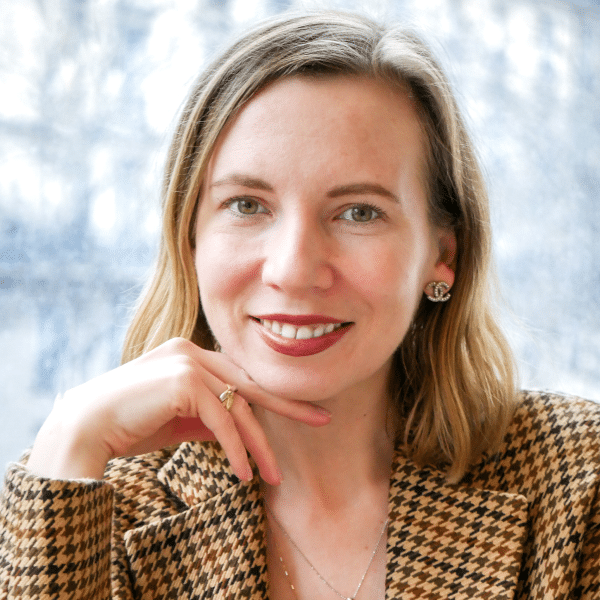
Linda Owens
Global Vice President of Digital Customer Experience at Sherwin-Williams

"What companies need when it comes to digital leadership is to be more obsessed with customers and not be afraid to be flexible and change and evolve."
Linda Owens
Tessa Burg welcomes back Linda Owens, Global Vice President of Digital Customer Experience at Sherwin-Williams. Six years after becoming the podcast’s very first guest, Linda returns to discuss how B2B leaders can navigate rapid changes in technology, AI and buyer behavior while staying focused on what matters most: the customer.
“Digital is transformative and it will always be transformative. We have to be able to enable our organization toward that change.”
Linda shares practical advice for separating meaningful trends from hype, creating trust earlier in the buying journey and designing customer experiences that reduce friction across every touchpoint. She also explains why customer obsession should drive every decision, how to use experimentation without losing sight of scale and what leaders need to do to successfully manage change across their organizations.
Highlights:
- How to distinguish real trends from technology hype
- Why customer behavior should guide technology investments
- The growing role of AI in B2B research and buying decisions
- Reaching buyers earlier in the customer journey
- Influencing larger and more complex buying committees
- Reducing friction across digital customer experiences
- Moving from product-centric to customer-centric thinking
- Using data and insights to align leadership teams
- Turning successful pilots into scalable programs
- Creating a culture that supports experimentation
- Balancing customer value with business value
Watch the Live Recording
[00:00:00] Tessa Burg: Hello, and welcome to another episode of Leader Generation, brought to you by Mod Op. I’m your host, Tessa Burg. And today, I am so excited to welcome back Linda Owens. She was our very first podcast guest on Leader Generation back in the pandemic when we had just started up, wanting to create a platform for our clients to share their thought leadership, their expertise with other clients.
[00:00:24] Tessa Burg: And six years later, we are continuing that tradition and continuing it with Linda herself. She’s the Global Vice President of Digital Customer Experience at Sherwin-Williams, and we’re gonna be jumping into how to take the trends that you’re hearing about, whether it’s in technology, AI, really any trend that’s impacting marketing today, and turn it into a better buyer experience.
[00:00:47] Tessa Burg: Linda, thank you so much for joining us.
[00:00:49] Linda Owens: Thank you for having me, Tessa. It’s a pleasure to be back after so long, and I was kind of reflecting on this a little bit and realized that even though it’s been six years, a lot is still the same, but a lot has changed, right? So I, I, I can’t express that enough, especially in the B2B world.
[00:01:07] Tessa Burg: Yes. No, I, I agree. And even the more tools and solutions we get, we still always have these opportunities to make these core challenges. How to better understand customers, how to better reach them, how to retain them. We still ha- those are still challenges that we face today. We just have new ways of s- going about it.
[00:01:27] Tessa Burg: So before we jump into those better buyer experiences, let’s, if maybe this audience hasn’t been with us for six years, I don’t know, but if they haven’t, they should listen to the first episode. But let’s start with, tell us a little bit about yourself and your career journey.
[00:01:43] Linda Owens: Oh, wow. Yeah. It’s, um, it’s spanned now about 20-plus years.
[00:01:47] Linda Owens: Um, very much focused on, uh, marketing initially, then moved to sales, and then came to digital. That’s when the sh- digital shift was happening finally. And, uh, I would say, like, I’ve spent the last few years in that intersection of all three, but very hyper-focused on the customer experience part, um, and found a lot of successes in really marrying all of that knowledge to, uh, a commercial strategy, right?
[00:02:16] Linda Owens: And I think when you take digital as the solutioning enablement aspect and marry that to commercial enablement for the business, you just find a lot of wins, and then it keeps you going and excited about what’s the next thing that’s out there.
[00:02:32] Tessa Burg: And speaking of what’s the next thing that’s out there, I think that’s one of the most challenging parts about being a B2B marketing leader, and now you’re the, at a very senior level position at an enterprise.
[00:02:46] Tessa Burg: The bets and where you place your bets, the stakes are higher. So how do you decide which trends to follow and which are more hype or noise in the ecosystem?
[00:02:59] Linda Owens: Yeah. This one is super tough. Um, and even though I’ve been doing this for a while, believe me, I do like a shiny tool, right? Um, I’m only human. Um, but when I really think about this, for me, the trend always starts with the customer.
[00:03:14] Linda Owens: So I am looking to see, okay, is there some kind of a customer behavioral shift that’s happening? Is there some type of a market change that’s influencing that? And when I dig a little bit deeper, then I’m kind of thinking around, okay, is there a technology that needs to help us solve for it, right? So tech almost is not really for tech’s sense at this time in my career.
[00:03:36] Linda Owens: Uh, whereas when I was a lot more junior, I would definitely focus on, oh, this technology is super cool. How can I get that? How can I access it? How can I play around with this, right? Whereas now I’m really hyper-focused on I don’t want to just spend on the new cool tool. I want to really, really make sure that it is something that I need to look at at the very last second of my decision when I’m thinking about, hey, I do see buyer journey shifting.
[00:04:05] Linda Owens: I do see there’s a problem to solve, and I’m ready for that moment, and let me explore what’s out there in the universe.
[00:04:12] Tessa Burg: I love that answer. And right now, today, there are a lot of shifts going on. What are some of the biggest shifts that you’ve seen throughout your career and that you’re seeing most recently today?
[00:04:23] Linda Owens: In B2B, I would say that we are seeing a lot more happening earlier on in the buyer journey, right? And I feel like I said that six years ago too when digital was a thing and transformation was happening digitally.
[00:04:37] Tessa Burg: Yeah.
[00:04:37] Linda Owens: But even more so now with AI, because those decisions are being made, like, during research phases.
[00:04:44] Linda Owens: And I do feel like our buyers these days in B2B, they’re super savvy. They are using Gemini, they are using, uh, Copilot and, uh, ChatGPTs in just the same way as we used to use Google, uh, and traditional organic search, right?
[00:04:59] Tessa Burg: Yeah.
[00:04:59] Linda Owens: And, and they’re able to find answers that they don’t necessarily depend on the salesperson for.
[00:05:05] Linda Owens: And not to take away from a salesperson ever, right? Because the beauty of a, a, a true customer experience journey is when you can marry both of those areas together. So for us, we need to be, as B2B marketers, more relevant upfront in the journey, right? Whether it is through how we position ourselves and the story we’re telling through our applications, through our websites.
[00:05:29] Linda Owens: Uh, but we need to be seen when those research moments with our customers are happening. So I would say that’s, like, the biggest, biggest shift as well. And one of the other things I’m also really exploring is that I’ve, we… I’ve seen this huge change from being very, uh, product-focused, where companies are really pushing product, um, and pushing, like, a thought process around lead generation.
[00:05:51] Linda Owens: I’m not saying that’s not there still, but that shift is also moving a little bit more to more end-to-end customer experience, right? Like, where are our, where are all of the different moments that we have to win with the customer? So I would say those are the biggest areas that I’m, am, I’m personally also exploring.
[00:06:10] Tessa Burg: Yeah, and I, I, you hit on this, and I think it’s so fundamental that when we work with Forrester and they said as much as 82%-plus of B2B buyers are now using a foundational LLM or an answer engine to start their journey. And that is, it, it’s mind-boggling to have, like, that large of your population engaging, and there’s not that many citations when you get an answer.
[00:06:40] Tessa Burg: Like, it’s a very competitive landscape to make sure that you are a part of influencing or setting that preference earlier. And we know that other phenomenon that’s happening has, again, always been B2B. There are multiple stakeholders in the decision process.
[00:06:53] Linda Owens: Yes.
[00:06:54] Tessa Burg: And now there’s, uh, buying networks and external influencers that come in and, and impact that.
[00:07:00] Tessa Burg: With these big shifts, how are you prioritizing and what signals are you looking to move when you are thinking about all the activities to reach buyers, to reach customers, to reach the buying network, and, and what kind of, um, content strategy or, or what types of tactics or strategies you’re trying to string together so that you’re able to influence this whole new ecosystem?
[00:07:25] Linda Owens: And it, it’s such a good point, Tessa. Um, I remember maybe about five years ago, I used to say like, “Hey, when it comes to B2B and trying to get a B2B customer to purchase something, you have to influence at least three to eight people within that company that have completely different personas. They care about totally different things, and what’s in it for them?”
[00:07:47] Linda Owens: Uh, you still have to personalize that, right? In how we c- connect with those, those folks before they make that group buying decision. Um, the other day I was reading an article, I think one, one of the consultancy firms said it’s now 13 people in a B2B, like, an enterprise level decision-making process. And I was like, darn, it’s just getting more complex and complex, right?
[00:08:07] Linda Owens: Yeah. And then tie that in, in, I mean, and on top of that, now we have, um, agentic AI. Um, we, uh, have agents that are doing shopping. So there’s a lot of different things that we have to, as B2B marketers and digital leaders, consider. And a lot of times now, I am also really striving for how do I think about winning with the customer, um, by not just reacting to that market shift and their buying behavior change, but how do I influence upfront what I want their buying journey to be, right?
[00:08:42] Linda Owens: And with new tools and technologies, we’re able to do that, right? And that’s what’s so beautiful about the B2B buying journey, is that, um, in, in some ways we’re, we’re ahead of B2C, in other ways, we’re still behind B2C. Um, but moments like these where we can use things like agents and use things like our own sales team, and then use things like digital tools and moments to bring it all together, um, I do feel like you can get more wins, but you have to look at it holistically.
[00:09:13] Tessa Burg: And when we’re looking at the buyer journey holistically, that tends to go across different departments and different divisions within a company, and this is sort of like a callback to our first interview. We, in our very, very first podcast interview, we talked about sort of the science of managing up and having, like, these big concepts and bring, bringing people together.
[00:09:36] Tessa Burg: How are you using data insights or even AI to help bring people from multiple departments together under that shared goal of influencing early, meeting people where they’re at, and evolving the experience you’re delivering to buyers?
[00:09:52] Linda Owens: Yeah, this is a, a lot of pressure on digital leadership, right? So one of the things I can tell you personally from, from my own journey is that I like to start with what I truly, actually believe in, in.
[00:10:03] Linda Owens: And you, Tessa, you know me, I’m, I’m super direct, and if I believe in something, I’m gonna champion the heck out of it as much as possible. Uh, and it’s not always polished. It’s not always fully thought through, but giving a meaningful point of view, um, with a lot of the information that exists there is so, it, it, it’s so important, uh, when we think about our role as leaders in, in the digital space.
[00:10:26] Linda Owens: I see a lot of insights. I see a lot of market research, right? But I can’t just take that and present it to my senior leaders and be like, “Hey, here you go.” I have to take that, interpret it, make sure it makes sense within my, um, company, uh, value propositions and dynamics that we’re working within, and bring that to life in an opinion.
[00:10:47] Linda Owens: And it better be a good, solid opinion grounded with facts, right, and insights. We want all of that so that we are believable. So earning trust in, in everything that we do in digital so we can make all of these customer experience moments come to life is a, is a real important step. And earning trust upfront to the most very important person in that company is a really big first step as well.
[00:11:14] Linda Owens: And so, so for me, how do we take that as leaders? Point of view makes a heck of a lot of di- difference, and then you kind of have to speak with passion because you believe in it, and that confidence exudes usually a lot of people believing in you and then allowing you to do what you need to do for your business.
[00:11:31] Tessa Burg: Yeah. I love that, and I love that you brought up marrying it back to, like, the company values, the objectives, and really what makes your unique brand even stand out. Like, I, uh, everyone has access to the same data, right? Or, or research and reports for the most part. We can all run a deep research project and get back, like, here’s the percents, here’s what’s happening, here are the trends.
[00:11:56] Tessa Burg: But it really is taking the experience and expertise of yourself as a leader, marrying it back to what you know your company values is prioritizing now, and that’s where when people see that with the conviction in which you deliver a message, that’s what builds that trust. Like, Linda believes in what the company believes in.
[00:12:18] Tessa Burg: We can create that shared value, shared accountability that’s necessary to drive change and to drive momentum forward. So love that, Linda. That’s great. Um, I feel like that’s also something that needs to then show up to our clients. So when we’re talking about building these better buyer experiences, what are some of the trust signals that you see B2B buyers looking for now in order to believe that what’s being presented is unique to them or personalized and maybe did not come from AI or is accurate information as they look to compare different solutions and services along the journey?
[00:13:00] Linda Owens: Yeah, I think what’s, what’s important is, like, I think as, as B2B leaders, we have to think about how do we create trust? And, and I had mentioned like, hey, we need to get with the customer early in the journey, right? We need to win early on. And it’s the same for trust. We gotta create trust upfront. And a lot of times we don’t have the luxury for them to talk to a salesperson to create trust, right?
[00:13:26] Linda Owens: We are really depending on our brands. We’re depending on, um, how we show up in, in the marketplace, um, uh, and, and how they, they see and view us. And things like content and, um, uh, and, and how we are making their experience frictionless is so, so, so important right now for the customer. Um, so we gotta make sure that in the B2B space, one of the biggest things is that you’re reducing friction for the customer.
[00:13:53] Linda Owens: You’re making it super easy for them to go through that full journey with you if it is that right product, right? So I’m really cautious to make sure that it’s not that they have to click 25 times to get to something. Um, I’m trying to make sure that a person who is online is getting a fantastic customer experience just as much as they are getting that same fantastic experience with, uh, hand-holding via a sales or a service person.
[00:14:21] Tessa Burg: Yeah, and we know none of this happens overnight, and you probably have done, like, a lot of experimentation internally to get to where you know this is where we’re reducing friction the best, or this is where we’re seeing success. There’s a lot of headlines right now that companies are struggling with how do they move from experimentation and successful pilots to actually scaling?
[00:14:44] Tessa Burg: What disciplines or practices have you put in place so that you can take something that’s working in that experimentation phase into production and into scale itself?
[00:14:55] Linda Owens: Yeah, I, I, uh, it’s… Discipline is a good word, right? Because I think, um, the, the hardest thing I find challenging, and, and I’m a huge believer in test, test and learn.
[00:15:06] Linda Owens: Um, but you can almost pretty much say, “Oh, I wanna test and learn about everything,” right? And it can get out of hand. It can get a little bit reckless. Uh, budgets are involved. So in large organizations, I think there’s a, a, a, an appetite towards testing and learning and experimenting, um, and doing proof of concepts.
[00:15:23] Linda Owens: Um, but I like to frame, um- Experiments as a way to almost, like, buy learning at a lower cost, right? So, um, you don’t get the luxury of learning this in a university. You don’t necessarily even get a luxury of, um, doing this, uh, as a certification. But when you are taking this and you’re thinking through this strategically and you’re trying to figure out, “Okay, what is the customer problem that I am trying to solve,” right?
[00:15:50] Linda Owens: Um, how am I going to do it? And what is the value to the company, um, as well as the customer and, and what is that outcome we are expecting? And what are we trying to really, uh, prove out, right? Um, or prove wrong. And the only thing that I will say is that in the past, I used to stop there, and I used to be like, “Okay, let’s go test and learn, and let’s see if this works or not.”
[00:16:12] Linda Owens: But now, as I, uh, uh, as I’ve evolved in my thought process, I have added the fact that scalability is such an important thing, right? So, so if you are not thinking about that next step after you prove that that test-and-learn moment is actually worth it, and you haven’t thought through, like, “Okay, hold on.
[00:16:32] Linda Owens: How would we scale it then?” Right? How do, how do we make this more relevant for our business? So it’s a true win and it just, it didn’t just stop with the test and learn. That’s really what sets, um, this apart, right? When it comes to how do we execute in broader global and bigger ways and do this repeatedly, um, without spending big, big budgets.
[00:16:56] Linda Owens: Um, so that’s, that’s the key, I would say.
[00:16:59] Tessa Burg: Yeah, and I, I love that because the, when you think about scale too at the top, it helps you prioritize which pilots to run so you’re not running everything. But there’s also when you prioritize at scale at the top and understand and start to project out what is the impact gonna be on the business itself, the operations, the processes, you can start to plant seeds so that people are ready should something work or should it come to fruition, and then they were also a part of having feedback on that.
[00:17:34] Tessa Burg: But what are those other, like, operational fundamentals that need to be in place before you take that pilot, that successful pilot, and then start scaling it?
[00:17:44] Linda Owens: Yeah, I mean, for me, uh, you always need executive sponsorship, right? No matter what layer or level that could be, you need someone in a leadership way that’s willing to, to take that chance because it’s, it is a little bit of a, of a risk, right?
[00:17:57] Linda Owens: Um, of, “Hey, do we really need to do this? Do we want to invest in this? All right, let’s give it a shot.” So now I used to be the one going to my executive leaders a lot and be like, “Hey, I really wanna try this out. I wanna test and learn in this area.” Now I have teams that do come to me, and I’m really trying to make sure that, um, we, we have clear ownership because it’s not often just me.
[00:18:18] Linda Owens: Um, there are other stakeholders within companies. Um, but you’re also thinking about, okay, does this align with process? Um, have we thought through, like, data and measurement? Uh, have we thought through change management? Have we thought through governance? Um, and what is the technology we probably need?
[00:18:35] Linda Owens: What is the operating model, right? Um, a lot of times people get stuck on just like, “Hey, I just wanna prove this one small thing.” And I’m like, “You gotta think a little bit bigger,” ’cause that’s the only way to achieve scalability. And I would, I would say, um, a successful pilot or a test and learn moment is only just the very beginning.
[00:18:55] Linda Owens: The hard work is yet to come. Uh, and I’ve often found that out, like, um, when I’m deep in the trenches and I’m like, “Man, I was the one who volunteered for this,” right? Um, but I didn’t like ta- At, at that time I didn’t think, like, this was gonna be this big transformative project.
[00:19:13] Tessa Burg: Yeah, I totally relate to that.
[00:19:15] Tessa Burg: I often have to remind myself that there are six phases of change, and five of them are pretty terrible because like-
[00:19:22] Linda Owens: Yeah …
[00:19:22] Tessa Burg: yes. It’s, but it’s worth it. Like, the last phase is embed, and that’s where you get to the point where everyone understands the value. They feel good. They’re ready to go. They’re motivated.
[00:19:35] Tessa Burg: But phases, like, one through four are people not… There are a lot of anxiety, a lot of stress, a lot of, “Now I feel like I’m doing double work, and I’m not sure of the value.” What have you found that really helps pull people through those early phases of change and get to the point where they are excited and they are ready to embed a new process and a new way of working and delivering value to customers at scale?
[00:20:03] Linda Owens: Um, for me, I really believe in taking change management seriously. Um, there is only so much change a company and teams can absorb at one given time, right? So no matter how great the idea, no matter how amazing of a concept it could be, if you are giving too much at one time, it could be a disaster. Even though you’ve vetted it out and you feel like, “Hey, this is, I, I know A to Z what needs to happen,” right?
[00:20:28] Linda Owens: So I’m really conscious of that, and I, I, and I really take change management, um, to that next level, um, and, and organize and operationalize it in just the day-to-day and how we bring this to life. Um, so I do start with change management, and then I, I would say it’s also in allowing our teams to be okay to fail and almost-
[00:20:51] Linda Owens: kind of saying that out loud and like, “Hey, I, you’re not gonna get penalized around it, but I would rather you push the envelope and think bigger and broader than just stick to status quo,” right? And, and I feel like right now also with tools like AI and, um, we are able to do test and learn faster, right?
[00:21:11] Linda Owens: Um, and we can do things more iteratively, whereas in the past, um, how I would think about doing these types of initiatives would be a little bit more rigid upfront because I would be like, “Hey, I wanna plan and organize everything to the end, to, to the nth degree.” Um, but now with AI I’m like, “I can kind of try this out.
[00:21:30] Linda Owens: Maybe I wanna build a digital twin and test it out in that area,” right? Like, so there’s a lot of different things we can do right now that doesn’t seem like it’s such a burden to get it right. Uh, but more like, “Hey, you know what? Let’s get it l- a little right and then a little bit more right and then like, hey, how can we do this more often with speed and then get the best product out there?”
[00:21:53] Tessa Burg: Yeah. You said something earlier, Answer, I think is, like, so important, and people, I don’t know if they lose track of it or forget it, but they definitely don’t prioritize it, and that is people only have so much capacity for change. And right now, when there’s a lot of pressure on CMOs to use AI, apply AI, use it for efficiency, cut costs, use it to drive growth, sometimes we tend to want to fire on all of those cyn- cylinders all at once.
[00:22:26] Tessa Burg: But when you skip over understanding the impact or prioritization, then you’ll stall. Like, then there will be no change because too much change is happening at the exact same time. When you are prioritizing the initiatives to roll out and knowing that there is so– like, we all have access to all this research and we all are feeling this pressure, what types of practical tools are you using to help leaders understand where they’re investing, what should be prioritized, and where you should be moving now?
[00:23:07] Linda Owens: Um, for the way I, uh, think most B2B leaders do it is, like, again, it’s if you’re very customer obsessed and less technology and tool obsessed, I feel like the answer is a little bit more clear, right? Because I think when you start with that insight of, like, “Hey, this is what matters to the customer,” and then you marry and bring value and show, “This is how I, I can bring value by solving this customer problem,” it suddenly becomes more real.
[00:23:37] Linda Owens: It becomes, um, a little bit more connected to, like, hey, that commercial moment I had e- expressed at earlier on in the conversation. It’s like, you, you can’t afford to just be only customer-centric, and I can’t believe I’m saying that. But the idea is that if you’re so perfectly customer focused and customer obsessed, then you’re absolutely, no matter what, gonna add business value.
[00:23:59] Linda Owens: But it’s not often… It doesn’t often feel that way, right? When you’re starting and you’re asking for big investments or, uh, you’re thinking about new things that people are, like, are, like, not necessarily sure if you need that. Um, and, and leaders these days, people who are doing it really, really well in B2B digital, they are taking it to more predictive moments, right?
[00:24:22] Linda Owens: They’re like, “Hey, this is what we know so far, but we, this is where we see our customer going.” That’s a really, really hard thing to sell in, but you have to talk about it, I think, a lot before people start to understand it. But you can’t also not talk about it, right? I think a lot of times people are like, “Hey, you know what?
[00:24:39] Linda Owens: It’s okay. I’ll just start here. I’ll just focus on this.” But when you really look at digital customer experience as a whole, you have to look at every single aspect. And, and yes, perhaps you start somewhere, but if you can’t show that full picture of this is what our, our world could be and this is where we could solve for all of our customer problems end to end, you’re losing out on that op- opportunity.
[00:25:03] Linda Owens: So it’s, it’s really important we do our due diligence as leaders to make sure that we’re telling that story to whoever needs to hear it. So we’re making that right, um, decisions, uh, whether it’s, uh, investment or resourcing, that we need to go in that direction. And one of the things that I always say, digital is transformative and it will always be transformative even, like, 50 years from now because there’s so much change happening, and we got to be able to enable our organizations within, like, within our organizations towards that change.
[00:25:34] Linda Owens: Um, and some people do it really well because, you know, that’s what they do and they’re okay. They’re uncomfortable… They’re comfortable being uncomfortable, uh, and they’re okay with change. But for most part, most human beings are not okay with change. But we have to embrace that in the digital side even more.
[00:25:50] Tessa Burg: Yeah. And you mentioned a tool that- has definitely helped us with prioritizing and staying and keeping ourselves customer obsessed, but also our clients, which is digital twins. Like-
[00:26:01] Linda Owens: Yeah …
[00:26:02] Tessa Burg: it is so easy when you’re in the business, and I remember this myself at American Greetings, when the business itself invests so much money in building a new product, building a new service, they’re so excited to get it out there, and they already did the customer research before they built the product.
[00:26:18] Tessa Burg: So they, they’re like, “Well, yes, we absolutely know they want it.” But there’s this initial sort of reaction to, like, actually become product obsessed and become very much more, “Well, we need this product to meet these goals.” But a simple tool like digital twins allows you to start testing messaging, positioning, strategy against what you want to do with the product, just to make sure that you are almost retesting where is the customer now.
[00:26:47] Tessa Burg: Because not only has their journey changed, their context is changing. And-
[00:26:52] Linda Owens: Yeah
[00:26:52] Tessa Burg: … you can quickly get a better understanding of that, of the context in which your buyers are going to be hearing about, experiencing that product, that service in that moment, and it helps kind of, like, reorient that product energy back to the customer.
[00:27:10] Tessa Burg: And-
[00:27:11] Linda Owens: Yeah …
[00:27:11] Tessa Burg: make… Because we’re all in it for the customer, but it’s, you know, again, like, you just, you get caught up in the momentum and you’re like, “We gotta get it out. I gotta meet my goals.” Uh, and that, I mean, that has been game changing to get to what you mentioned, like, those predictive insights. Like, let’s get a better idea of how this is gonna do and do now.
[00:27:30] Linda Owens: Yeah. And, and it’s so interesting right now as, as you were speaking, Tessa, one of the things, like, I remember in my past I used to be like, “Oh, this is my three-year roadmap, my five-year roadmap, my, like, long-term vision.” Nowadays, it’s so hard to do that, right? Like, you, you just don’t know what is possible. Um, and I’m okay with that as a digital leader.
[00:27:49] Linda Owens: I’m like, “Hey, I’m, I’m ready. Whenever that next thing happens and that next buyer moment changes, we’ll have to be ready, and we’ll have to go with the flow.” And the less rigid you are when you think in that way, and the more flexible you are to kind of organically grow with your customer, and of course, if you can, be more predictive with where your customer is going, I think that’s where that success is.
[00:28:10] Tessa Burg: Yeah. No, I agree. So we are at time. This, like, totally flew by. But before we leave and end the show, is there any, what last advice would you give marketers, especially we’re at midyear, we’re looking at the second half of the year, uh, for them to make the most of the data they’re seeing, the listening they’re doing to their customers, to make the most of improving and scaling out better customer experiences?
[00:28:45] Linda Owens: Well, I think, um, I had mentioned slightly earlier that a really good B2B mar- marketing leader, especially in the digital space, um, we, we gotta be, no matter what, customer obsessed, right? And I can’t iterate that and say that often enough. Um, I have to s- remind myself of it, um, as well because there are…
[00:29:07] Linda Owens: It’s so easy to change course and it, and, and you’re solving more business problems and not as much customer problems. Um, and so I’m trying to always day to day, uh, make sure. That’s why I love that I have customer experience in my title right now, ’cause that’s a very good reminder for myself, right? That, like, I’m here to solve customer problems and of course add business value.
[00:29:28] Linda Owens: Um, so more obsessed you are with that, and not be afraid to, to be flexible and change and evolve, I think that’s really what companies need these days when it comes to digital leadership, right? Um, because I, I strongly believe there’s no one right way to do something. I do believe there’s at least three paths to get to that end goal.
[00:29:52] Linda Owens: But you have to think about what is that right path for your company, what is that right path for your customer, and how do you marry that two and find that sweet spot so you can really truly create value?
[00:30:06] Tessa Burg: I love it. That was a perfect formula for value creation, and I almost feel like the ne- like, you can use, “I’m here to solve customer problems,” as, like, your banner statement.
[00:30:17] Tessa Burg: Like, when people are coming at you trying to get other things prioritized, just be like-
[00:30:21] Linda Owens: Yeah … “
[00:30:21] Tessa Burg: I’m here to solve customer problems.” And we all-
[00:30:24] Linda Owens: That- that’s it.
[00:30:26] Tessa Burg: We all need to be there, and that doesn’t mean other initiatives are bad, but again, it’s like it helps it marry it back to the context. Like, all right, so since we’re all here to solve customer problems, how are we gonna better understand what’s important right now?
[00:30:40] Tessa Burg: And I love that formula you just laid out. And then we’re looking at the process, and we’re looking at where we can reduce the friction, and then we’re marrying it back. But it is, I agree, one of the hardest things to do. Easy to say, hard to do. But what a great tool to help bring an entire organization along and make the most of AI and the, and the data now, all the things that we have access to, in a productive way, uh, that really has a high business impact, um, in the end.
[00:31:10] Tessa Burg: So Linda, thank you so much for coming on the podcast again. It was awesome having you as… Is this only your second time? Didn’t we have you on around the anniversary time? And I was just like, “This might be her third appearance.”
[00:31:21] Linda Owens: No, no, this is my second time.
[00:31:23] Tessa Burg: Oh my gosh. I think we wanted you for the one year anniv- or the some anniversary.
[00:31:29] Tessa Burg: Yes.
[00:31:29] Linda Owens: But I wasn’t sure- I wasn’t able to make it.
[00:31:31] Tessa Burg: Yes. But I’m glad you’re here now. And we will definitely have you on again, and excited to follow your journey. It’s already been a year, but at Sherwin-Williams, and see all the awesome things you’re gonna do there. And, uh, it was fantastic getting the chance to grow with you at Nestlé Professional as well.
[00:31:49] Tessa Burg: So thanks so much for being in front of the podcast for so long.
[00:31:54] Linda Owens: Thanks, Tessa. Thanks, everyone.
[00:31:57] Tessa Burg: Oh, and I forgot to say, if you are interested in hearing more episodes of Leader Generation, you can find them on our website, modop.com/podcast, or search Leader Generation wherever you listen to podcasts. On the website, on our show page, you’ll find Linda’s information.
[00:32:16] Tessa Burg: You can search Linda Owens on LinkedIn and ask any questions directly, but we’ll have the full transcript and all the episodes will be there as well.
Linda Owens
Global Vice President of Digital Customer Experience at Sherwin-Williams
Linda Owens is the Global Vice President of Digital Customer Experience at Sherwin-Williams, where she leads initiatives that advance digital customer experiences, scale eBusiness capabilities and drive enterprise transformation. With more than 20 years of experience spanning marketing, sales, ecommerce and digital customer experience, she has helped organizations modernize customer engagement and accelerate growth across B2B and B2C markets.
Throughout her career, Linda has led cross-functional teams and developed digital strategies that improve customer experiences across channels and global regions. Her expertise includes ecommerce strategy, digital marketing, customer journey optimization, CRM lifecycle programs, Martech and digital innovation. She is passionate about simplifying complexity, empowering high-performing teams and creating customer-centric solutions that deliver measurable business impact. Linda can be reached on LinkedIn.
More
Episodes


From Pilot To Impact, Building AI That Scales
Beauty & The Data Beast: Consumer Obsession Meets AI
